




- Strategic partnership accelerates development of energy-efficient electric vehicles supported by Continental tires
- Continental is a technical partner of Renault Group’s development and innovation platform “Garage Futurama”
- Up to 35% lower rolling resistance than required for top A rating of the EU tire label
- Up to 30 additional kilometers of range with a battery range of 500 kilometers
- Joint presentation during Renault Group’s “Sustainability Tour” on June 8 in France
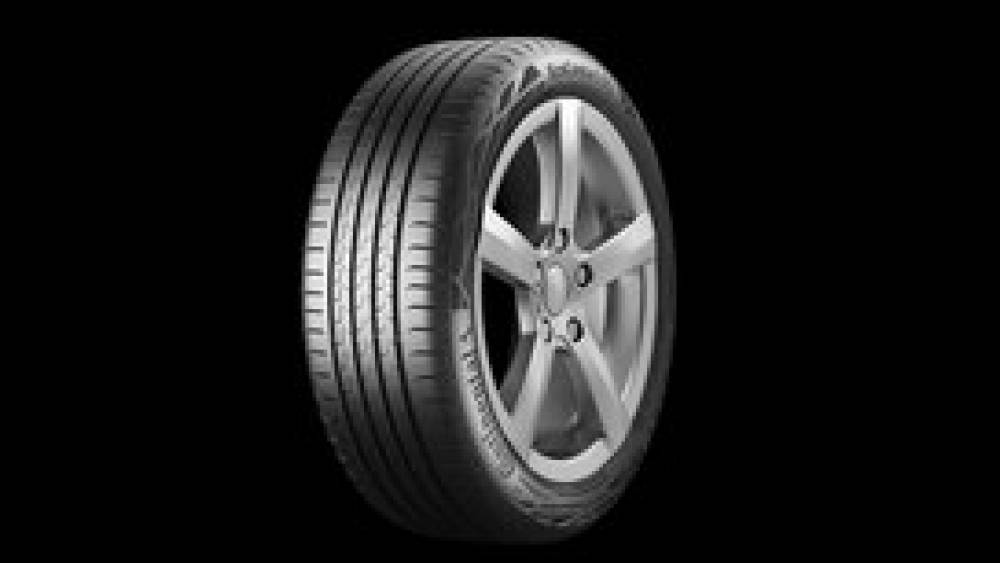
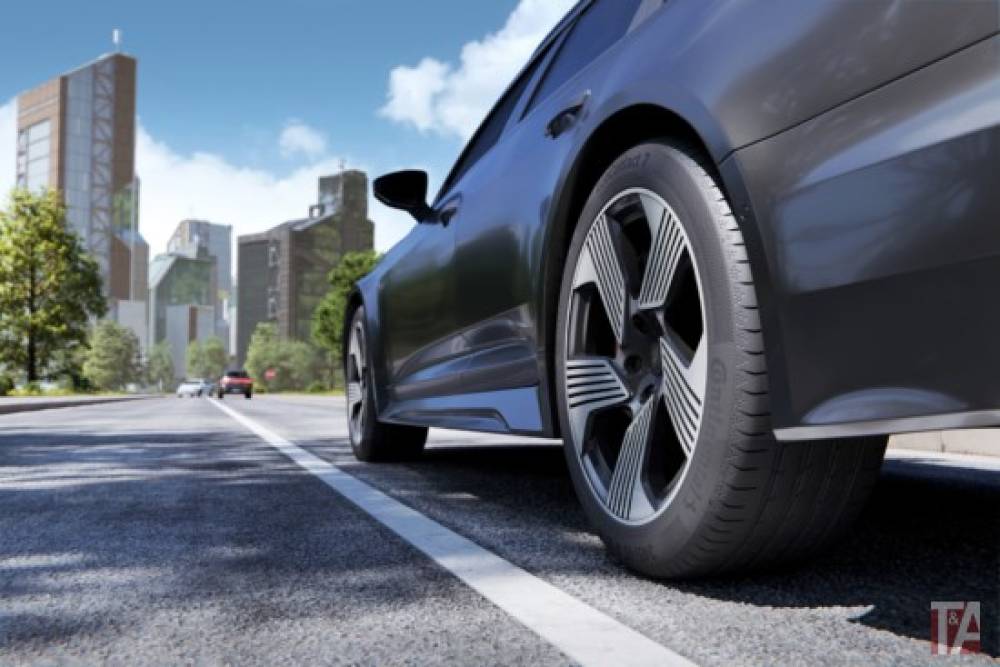
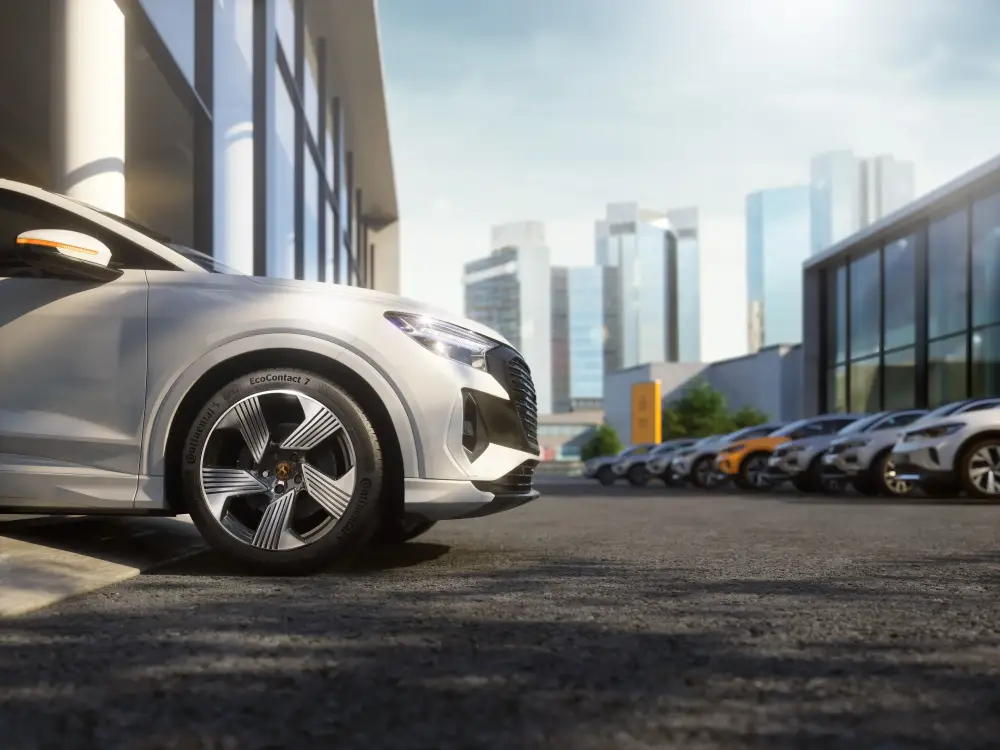
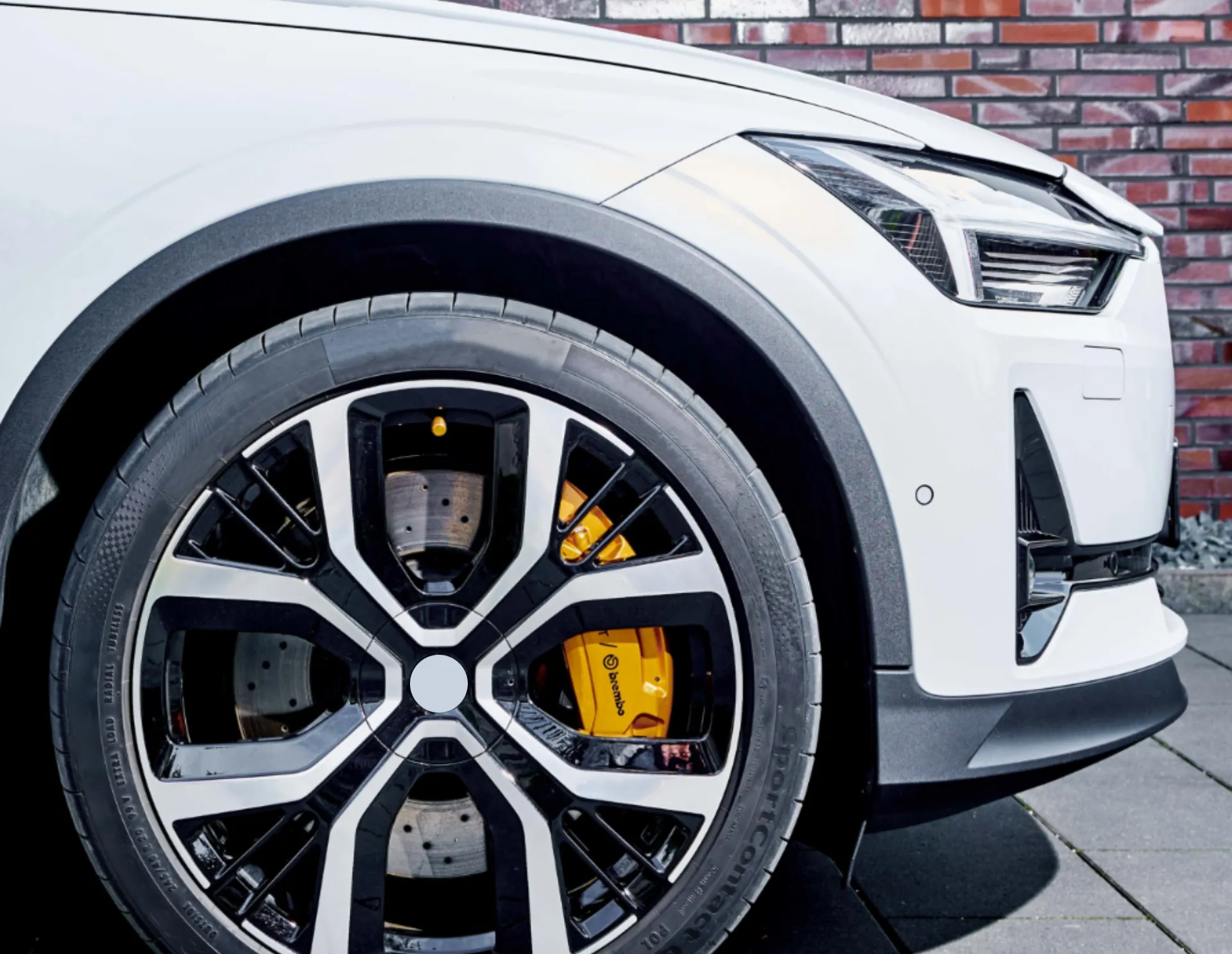
Hanover, Germany, June 15, 2026. Continental has developed a highly efficient tire for French automotive manufacturer Renault Group that significantly increases the range of its electric vehicles. As part of a strategic partnership, a tire was created for Renault Group’s innovation teams with up to 35% lower rolling resistance than required for the EU tire label’s top A rating. For a vehicle with a battery range of 500 kilometers, this translates to approximately 30 additional kilometers of range per charge – roughly the distance from Paris to Versailles. The starting point was the EcoContact 7, which Continental specifically adapted to Renault Group’s requirements. The company combined a specially modified tread compound with a customized sidewall design and an optimized tire construction. As a technical partner of Renault Group’s innovation teams, Continental is showing how precisely engineered tires could help optimize the range and driving performance of future electric vehicles. The tire was unveiled during Renault Group’s “Sustainability Tour” on June 8 in Guyancourt, near Paris.
“Together with Renault Group, we are improving the efficiency of its new electric vehicles. Our tailor-made tires have very low rolling resistance, which significantly increases range,” said Dr. Christian Strübel, Continental expert on the rolling resistance of car tires.
“Extremely low rolling resistance is key to enhancing the range of electric vehicles. With Continental, we have a strong partner by our side: thanks to our long-standing collaboration in original equipment, we can jointly develop solutions that have the potential to deliver real added value for our customers,” said Nicolas Champetier, VP Innovation at Renault Group.
Rolling resistance: a key factor in improving vehicle energy efficiency
Rolling resistance has long been a central focus in Continental’s tire development. Around 20 to 30 percent of a vehicle’s energy consumption, regardless of drive type, is due to rolling resistance. The lower the rolling resistance, the less energy is lost through natural deformation and friction as the tire rolls along the road. This is especially important for electric cars, where lower rolling resistance directly reduces energy consumption and can help extend driving range. At the same time, tires play a critical role in vehicle safety. They are the only points of contact between the vehicle and the road. The friction generated between the tire tread and the asphalt provides the grip required for effective braking and stable handling.
Close collaboration with a focus on virtual development
Continental and Renault Group used state-of-the-art virtual development and testing methods in their joint work. A key element was Continental’s Driver-in-the-Loop simulator, which allows tire characteristics to be evaluated and optimized under realistic driving conditions at an early stage of development. Renault Group’s ROADS driving simulator was also integrated into the process, digitally replicating real-world driving conditions and enabling reproducible testing in a virtual environment. By combining the capabilities of both systems, test scenarios could be seamlessly replicated and development processes accelerated. The increased use of such methods improves development efficiency and reduces the need for physical test tires. Today, Continental saves up to 10,000 test tires a year by using virtual technologies in tire development.